
Professional clock repair in Tonbridge, Kent

Carriage, longcase, bracket, French and mystery clocks — repaired, restored and conserved by a clockmaker accredited by the British Horological Institute.

Workshop visits by appointment only in Tonbridge, Kent.

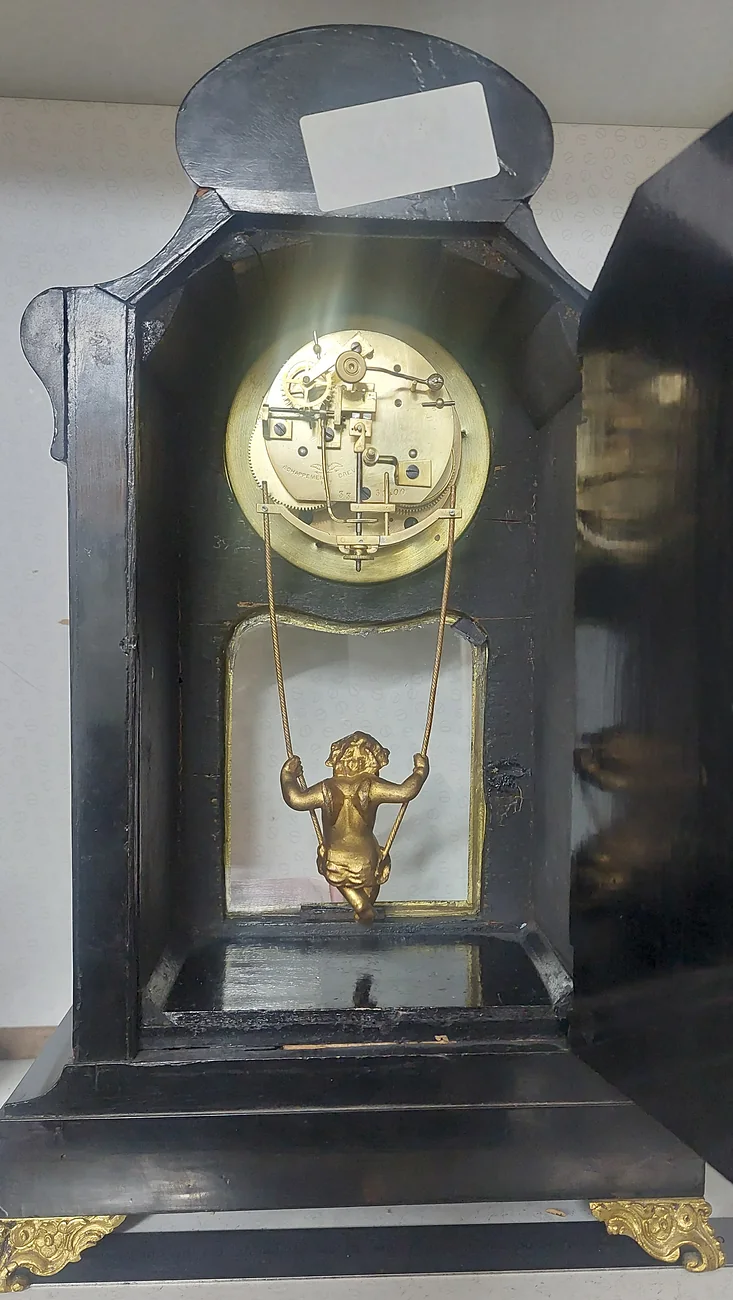
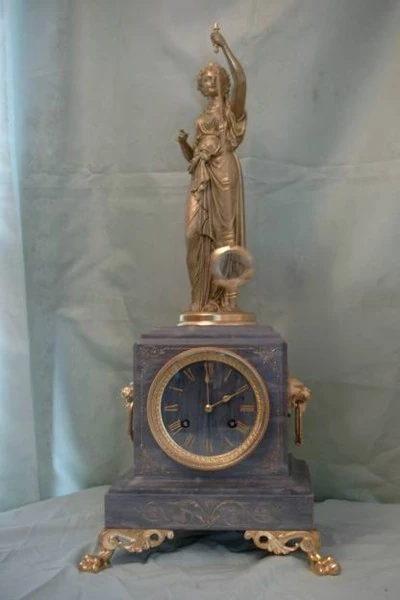
A rare French clock seen from the back with its door open, showing the movement and a gilt figure on a swing beneath it
A rare French clock, seen from the back. A gilt figure sits on a swing beneath the movement, and the pendulum swings to and fro rather than side to side.

Anyone can call themselves a clock repairer

Accreditation by the British Horological Institute is a different thing entirely. It calls for examined qualifications and a portfolio of real repair work, written up and assessed. John Mathieson holds it, and appears on the BHI's public register of accredited repairers — around 180 people nationally, of whom roughly 137 are listed for clock repair.

  • West Dean Two years studying the conservation and restoration of antique clocks
  • Guild member British Watch and Clockmakers Guild, founded 1907

The clocks that come through the workshop

If yours looks like one of these, we can almost certainly help. We also work on Vienna regulators — and if yours isn't here at all, ask anyway.

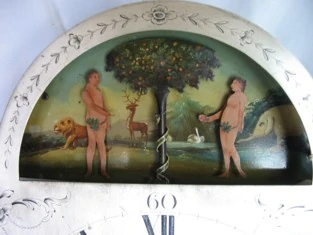
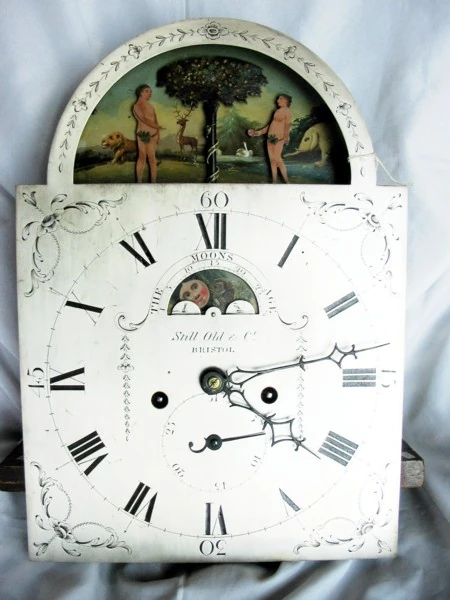
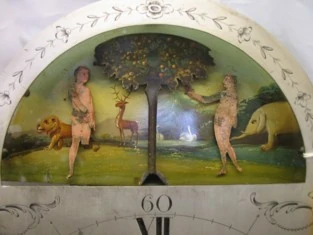
  • Painted dial of an eight-day longcase clock by Still, Old & Co. of Bristol, c.1780, with Adam and Eve in the arch

    Longcase clocks

    Grandfather and grandmother clocks

    Precision instruments as well as furniture. This dial is from the Bristol longcase further down the page.

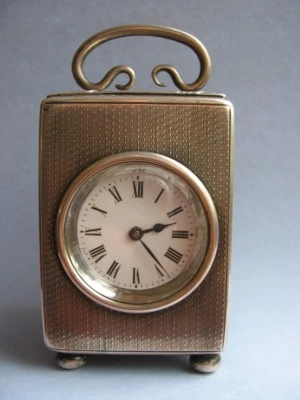
  • A small silver-cased carriage clock with an engine-turned case and a loop handle A speciality

    Carriage clocks

    Including miniatures under three inches

    Fine, small-scale work, and John's particular strength — far fewer repairers take it on.

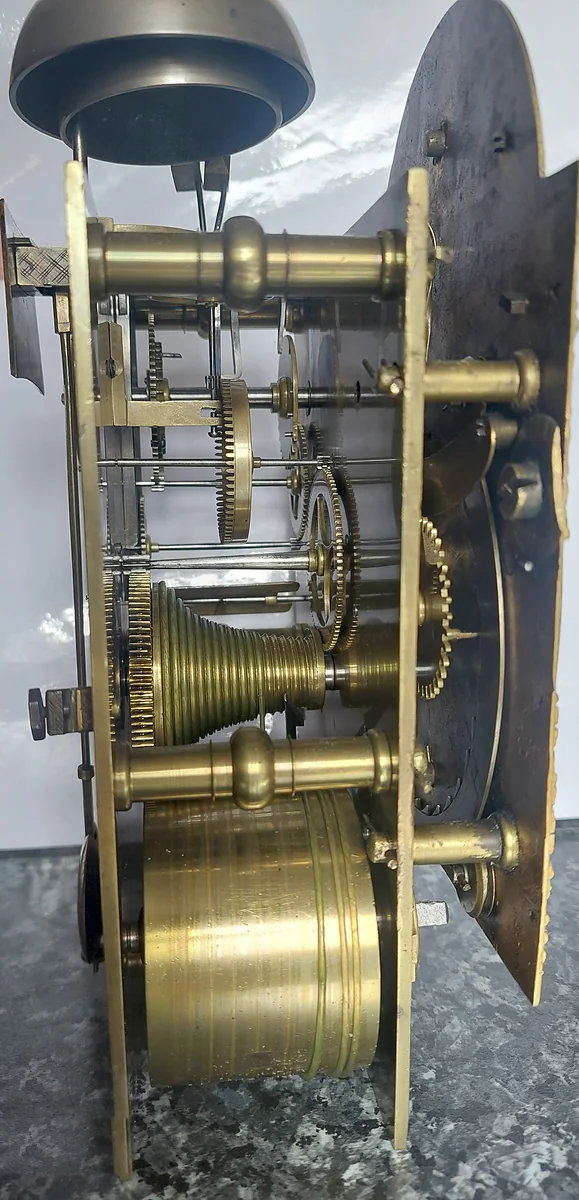
  • A fusee movement out of its case, seen from the side, with its bell above

    Bracket & English dial clocks

    Usually fusee-driven

    The grooved cone in the photograph is the fusee, which evens out the pull of the mainspring as it runs down.

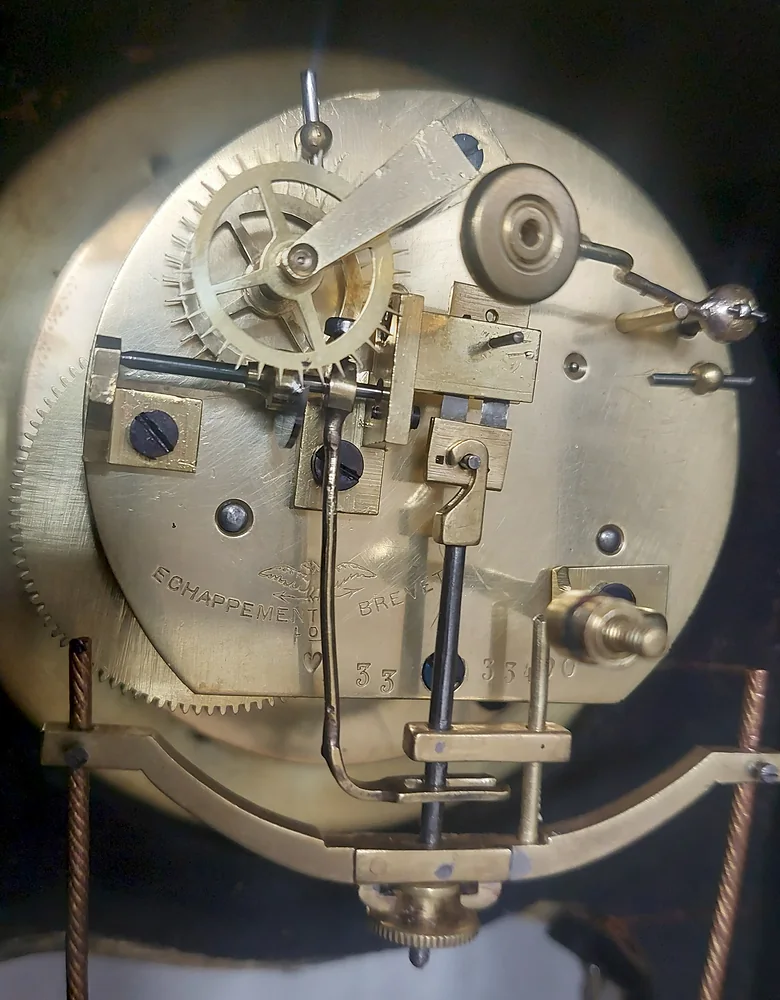
  • The back of a French clock movement stamped 'Échappement breveté', with the cords of a swing hanging below it

    French clocks

    Including rare and unusual pieces

    This is the movement of the swing clock at the top of the page, stamped 'Échappement breveté' — patented escapement.

  • A Guilmet mystery clock: a gilt figure on a dark plinth holds the pendulum aloft, with the dial set in the plinth below

    Mystery clocks

    Including Guilmet

    Clocks whose pendulum swings with no visible means of driving it.

  • Not sure what you have?

    Send a photograph and we will tell you what it is and whether we can help.

    Send a photo

Two kinds of work

Most jobs are repairs. Some are conservation, which is a different discipline with a different aim.

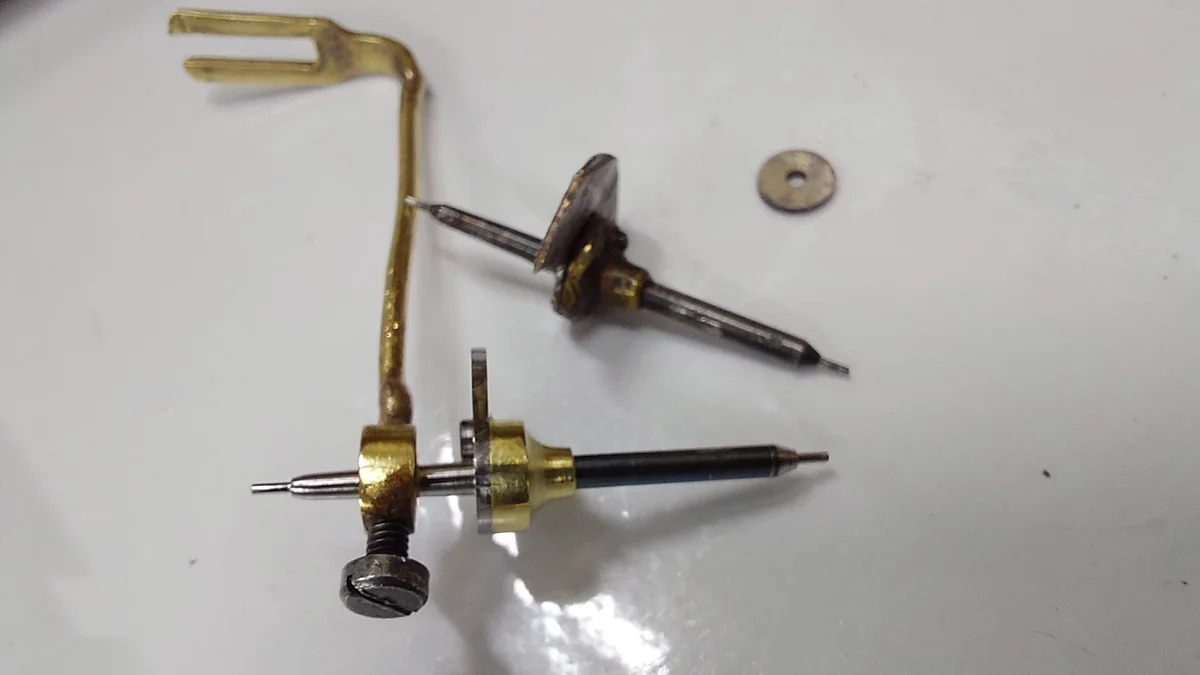
Two steel arbors and a brass crutch, out of a movement
Arbors and a crutch, out of a movement.

Clock repair

Getting a clock running properly again, and keeping it that way. Full strip-down and inspection, cleaning, bushing worn pivot holes, burnishing pivots, escapement and strike work, then reassembly with the right lubricants. Where a part is missing or beyond repair, we make a new one.

Clock repair
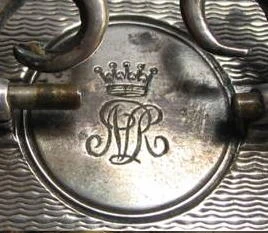
Engraved monogram and coronet on the top of a small silver carriage clock
The top of a small silver carriage clock, hallmarked London 1911 — a conservation job.

Restoration & conservation

For pieces where the object matters as much as the timekeeping. The clock is examined, documented and researched before anything is touched, and original material is kept wherever it can be repaired rather than replaced. John will also advise on handling, display and preventive care at home.

Restoration and conservation

Restoring a Bristol longcase, c.1780

Eight-day longcase clock by Still, Old & Co., Bristol

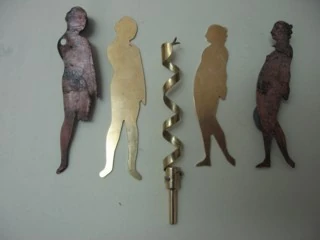
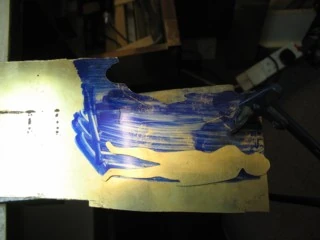
Adam and Eve are automata: painted figures that move in the arch of the dial. The brass of the originals was in poor condition, so to conserve their original paintwork John made new figures, using the originals as templates — with a new arm for Adam, and a complete serpent and collet, which were missing. He also designed and made the levers that drive the figures, and a new nag's head and lever to drive the moon's-age dial.

See more previous work
The dial arch before restoration, with the original Adam and Eve
Before
The dial arch after restoration, with the new figures and the serpent coiled around the tree
After
The new brass Adam, serpent and Eve, between the original painted figures they were copied from
New brass Adam, serpent and Eve, between the painted originals.
Adam partly cut out of brass sheet, with Eve beside
Adam partly cut out, with Eve beside.

Qualified, and able to make what is missing

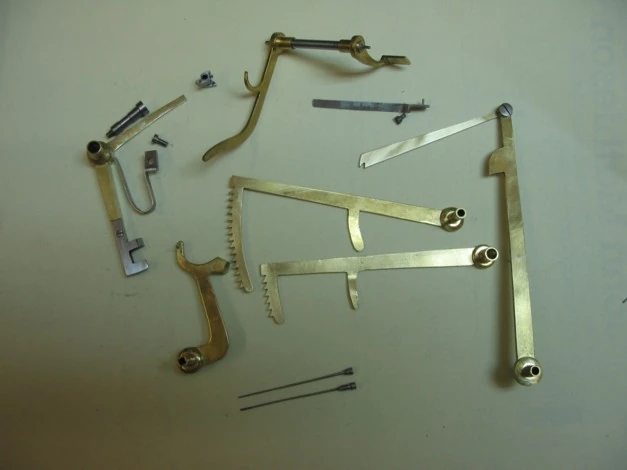
New parts John made for the strike work of a Paul Garnier clock, including the hour and quarter racks
New strike-work parts for a Paul Garnier clock, including the hour and quarter racks.
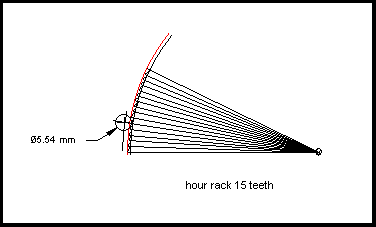
CAD layout of the new hour rack, with 15 teeth
The new hour rack, drawn out in CAD first: 15 teeth.

Parts made in the workshop

Racks, levers, gathering pallets, springs, stop work: if a part is missing or beyond saving, it is made here — drawn out first in CAD where the geometry matters. That is what keeps an original clock original rather than part-replaced.

Accredited, not self-declared

There is no licence to call yourself a clock repairer. The BHI register is the closest thing to one, and John is on it — assessed on examined qualifications and a portfolio of written-up repairs.

Original parts kept wherever possible

A worn part can usually be repaired rather than swapped out. Keeping original material is better for the clock and better for its value — replacing it is the last resort, not the first.

Customers travel for this

Clock Care serves Tonbridge, Tunbridge Wells, Sevenoaks and the surrounding towns, but the catchment is much wider. Clocks arrive from well beyond Kent.

How to get a clock looked at

  1. Get in touch

    Email is usually easiest, and a photograph helps a great deal. Tell us what the clock is doing — or has stopped doing.

  2. Bring it in by appointment

    The workshop is in Tonbridge and visits are by appointment only, so please arrange a time before travelling.

  3. Assessment, then a quote

    The clock is examined and you are told what it needs and what it will cost. Nothing is carried out until you have agreed to it.

Tell us about your clock

Email is the surest way to reach us and a photograph is always welcome. If you would rather speak to someone, please call — and do leave a message if there is no answer.

Telephone
01732 359006
Workshop
Shelton Close, Tonbridge, Kent TN10 3DY Workshop visits by appointment only

Send an enquiry

Anything you can tell us helps — whether it stops, runs fast or slow, will not strike, or has been dropped or moved. A maker's name or a date on the dial is useful too.

Photographs are a great help. Please email them to john@clockcare.co.uk and we will match them to your enquiry.

Call 01732 359006 Email